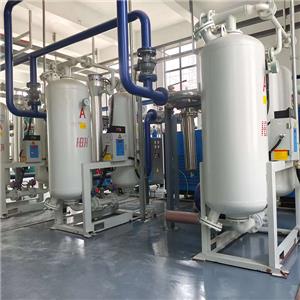
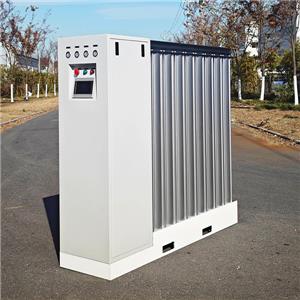
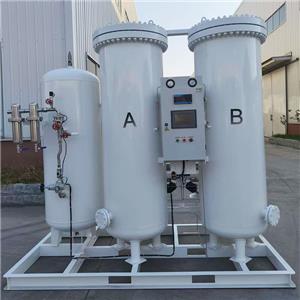
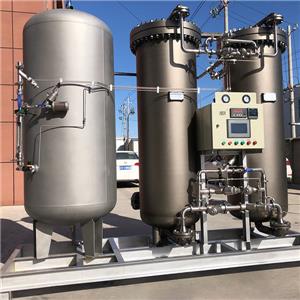

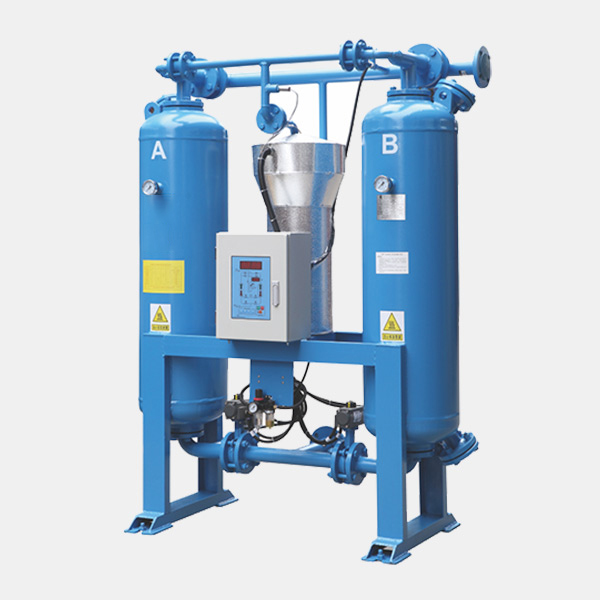
خشک کن جاذب گرمادیده
کار کردن اصل از ... میکرو-گرما جذب سطحی خشک کن خشک کن
اول نیمه از ... کار کردن چرخه از ... میکرو-گرما جذب سطحی خشک کن خشک کن
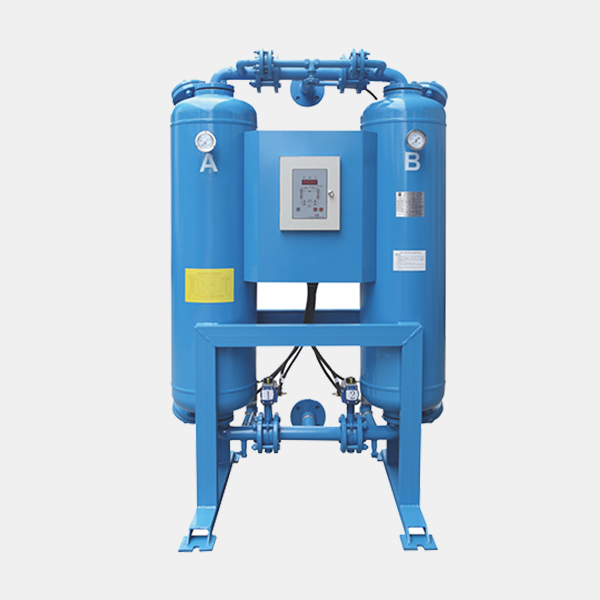
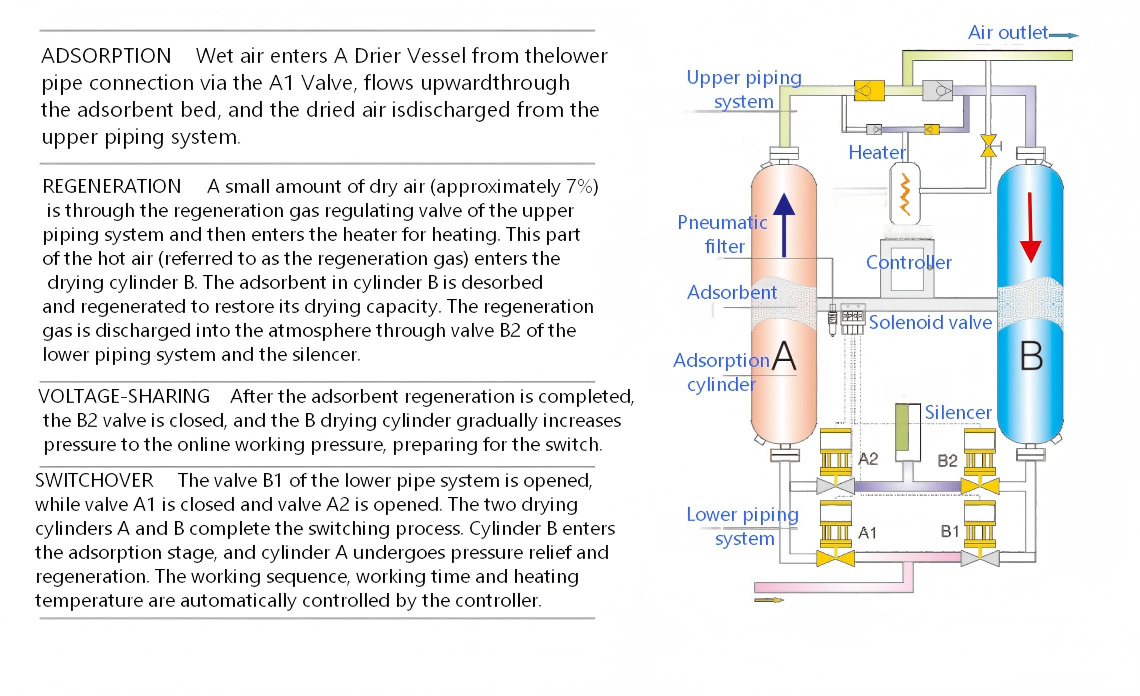
مرطوب و اشباع شده فشرده شده هوا است فیلتر شده توسط ... پیش-نصب شده روغن حذف فیلتر, سپس وارد میشود جذب سطحی برج A از طریق ... پنوماتیک مصرف شیر از برج A. رطوبت در ... هوا است جذب شده توسط ... جاذب داخل ... برج, چرخاندن ... هوا به خشک فشرده شده هوا, که است بالاخره تحویل داده شده به ... هوا مصرف نقطه از طریق ... بررسی شیر و اگزوز بندر برای استفاده. در همین حال،, a کوچک بخش (تقریباً 4~6%) از ... خشک فشرده شده هوا است از حالت فشرده خارج شده از طریق ... روزنه بشقاب, گرم شده به درباره 150℃ در ... بخاری, و سپس وارد میشود جذب سطحی برج B از طریق ... بررسی شیر. آن دفع کننده ها رطوبت از ... جاذب داخل برج B به متوجه شدن خشک کردن و بازسازی از ... جاذب, و ... مرطوب هوا است بالاخره مرخص شده به ... جو از طریق ... اگزوز شیر و صدا خفه کن.
دوم نیمه از ... کار کردن چرخه از ... میکرو-گرما جذب سطحی خشک کن خشک کن
مرطوب و اشباع شده فشرده شده هوا است فیلتر شده توسط ... پیش-نصب شده روغن حذف فیلتر, سپس وارد میشود جذب سطحی برج B از طریق ... پنوماتیک مصرف شیر از برج B. رطوبت در ... هوا است جذب شده توسط ... جاذب داخل ... برج, چرخاندن ... هوا به خشک فشرده شده هوا, که است بالاخره تحویل داده شده به ... هوا مصرف نقطه از طریق ... بررسی شیر و اگزوز بندر برای استفاده. در همین حال،, a کوچک بخش (تقریباً 4~6%) از ... خشک فشرده شده هوا است از حالت فشرده خارج شده از طریق ... روزنه بشقاب, گرم شده به درباره 150℃ در ... بخاری, و سپس وارد میشود جذب سطحی برج A از طریق ... بررسی شیر. آن دفع کننده ها رطوبت از ... جاذب داخل برج A به متوجه شدن خشک کردن و بازسازی از ... جاذب, و ... مرطوب هوا است بالاخره مرخص شده به ... جو از طریق ... اگزوز شیر و صدا خفه کن.
تفاوتها بین میکرو-گرما جذب سطحی خشک کن خشک کنs و بدون گرما جذب سطحی خشک کن خشک کنs
جنبه از تفاوت | میکرو-گرما جذب سطحی خشک کن خشک کن | بدون گرما جذب سطحی خشک کن خشک کن |
بازسازی اصل | موارد استفاده یک برقی بخاری به گرما a کوچک مبلغ از بازسازی گاز به تقریباً 90–200°C, سپس تصفیهها ... جاذب تحت ... دوگانه عمل از گرما کمک و فشار تغییر. | تکیهها روی ... آدیاباتیک گسترش از خشک هوا, که نتایج در فوقالعاده کم نسبی رطوبت و قوی رطوبت جذب ظرفیت به پاکسازی ... جاذب. اساساً a فشار تاب خوردن جذب سطحی (پیاسای) فرآیند. |
بازسازی هوا مصرف | نیاز دارد برقی گرمایش به علاوه a کوچک مبلغ از فشرده شده هوا; بازسازی هوا مصرف است تقریباً 7% از ... فشرده شده هوا حجم. | بازسازی هوا است عرضه شده توسط فشرده شده هوا; بازسازی هوا مصرف است تقریباً 14% از ... فشرده شده هوا حجم. |
فشار شبنم نقطه | میتوان دستیابی به ≤-20°C به -40°C | میتوان دستیابی به ≤-40°C به -70°C, با نسبتاً پایدار عملکرد |
ماشین ساختار | شامل میشود یک اضافی بخاری و دما کنترل سیستم | خیر بخاری, در نتیجه در a سبکتر وزن |
هزینه سرمایهگذاری شده | سیستم گرمایش و کنترل دما ساختار پیچیدهتری دارند و به سرمایهگذاری اولیه بالاتری نیاز دارند. | انتخاب کمپرسور هوا، رطوبتگیر و فیلترها در مرحله اول باید با در نظر گرفتن مصرف بالای گاز انجام شود. در طول فرآیند انتخاب، لازم است اندازه به طور مناسب افزایش یابد. |
نگهداری و تعمیرات خشک کن های جذبی
دوره نگهداری (انگلیسی) | محتوای تعمیر و نگهداری (انگلیسی) |
ماه اول و به طور منظم پس از آن | المنت فیلتر هوای کنترل را تمیز یا تعویض کنید و پس از آن مرتباً آن را تعویض کنید. صدا خفه کن اگزوز را تمیز کنید؛ اگر فشار شستشوی معکوس در طول چرخه احیا ≥ 0.035 مگاپاسکال باشد، صدا خفه کن را تعویض کنید. |
هر ۳ ماه | شیر کنترل ورودی را برای مدت کوتاهی ببندید تا نشتی در شیر پنوماتیک ورودی هوا یا شیر یکطرفه احیا بررسی شود. اگر هوا از صدا خفه کن اگزوز خارج شود، نشان دهنده نشتی است. |
نکته مهم | خشککن جذبی دسیکانت فاقد روانکننده است و نیازی به روغن روانکننده ندارد. |
روزانه | شیرهای تخلیه خودکار روی پیش فیلترها و پس فیلترها را بررسی کنید. |
هفتگی | الف. بررسی کنید که عملکردهای سوئیچینگ، احیا و افزایش فشار به طور عادی کار میکنند. |
ب. میزان باز شدن شیر گاز احیا را بررسی کنید. | |
ج. شرایط عملیاتی: فشار ورودی، دمای ورودی و جریان هوا را بررسی کنید. | |
د. بررسی کنید که آیا صدا خفه کن احیا مسدود شده است یا خیر. فشار بیش از حد بالای بک واش در برج احیا نشان میدهد که صدا خفه کن نیاز به تعویض دارد. | |
ه. افت فشار پیش فیلترها و فیلترهای نهایی را بررسی کنید؛ اگر افت فشار از 0.05 مگاپاسکال بیشتر شد، المنت فیلتر را تعویض کنید. | |
ماهانه | عنصر فیلتر هوای کنترل را بررسی کنید و در صورت نیاز آن را تعویض کنید. |
سه ماهه (هر ۳ ماه یکبار) | الف. المنتهای پیشفیلتر و پسفیلتر را از نظر گرفتگی و آسیبهای احتمالی بررسی کنید؛ در صورت نیاز تعویض کنید. |
ب. از هوای فشرده برای پاک کردن گرد و غبار از روی شیرها و اجزای پنوماتیکی مانند شیرهای اطمینان و شیرهای سلونوئیدی استفاده کنید. | |
سالانه (هر ۱۲ ماه) | الف) شیرهای ورودی/خروجی را ببندید یا خشککن را بایپس کنید، سیستم خشککن را کاملاً تخلیه فشار کنید، دریچه پر کردن جاذب را باز کنید و از جاذب برای بررسی نمونهبرداری کنید. در صورت آلودگی به روغن یا خرد شدن، جاذب را تعویض کنید. |
ب. شیر یکطرفه خروجی را برداشته و بررسی کنید؛ در صورت لزوم تعمیر یا تعویض کنید. | |
ج. شیر پنوماتیک ورودی و شیر تخلیه احیا را برداشته و بررسی کنید؛ نشیمنگاهها و آببندهای فرسوده شیر را تمیز و تعویض کنید. | |
د. سیلندرهای شیر پنوماتیک را از نظر نشتی یا فرسودگی آببندها بررسی کنید. | |
ه. شیرهای برقی مدار هوای کنترل را بررسی و تعمیر کنید. |